



















How Technology Is Changing Business — Simple Guide
Explore how technology is changing business today. Learn real-world examples, benefits, challenges, and how companies adapt with innovation in a human-friendly format.
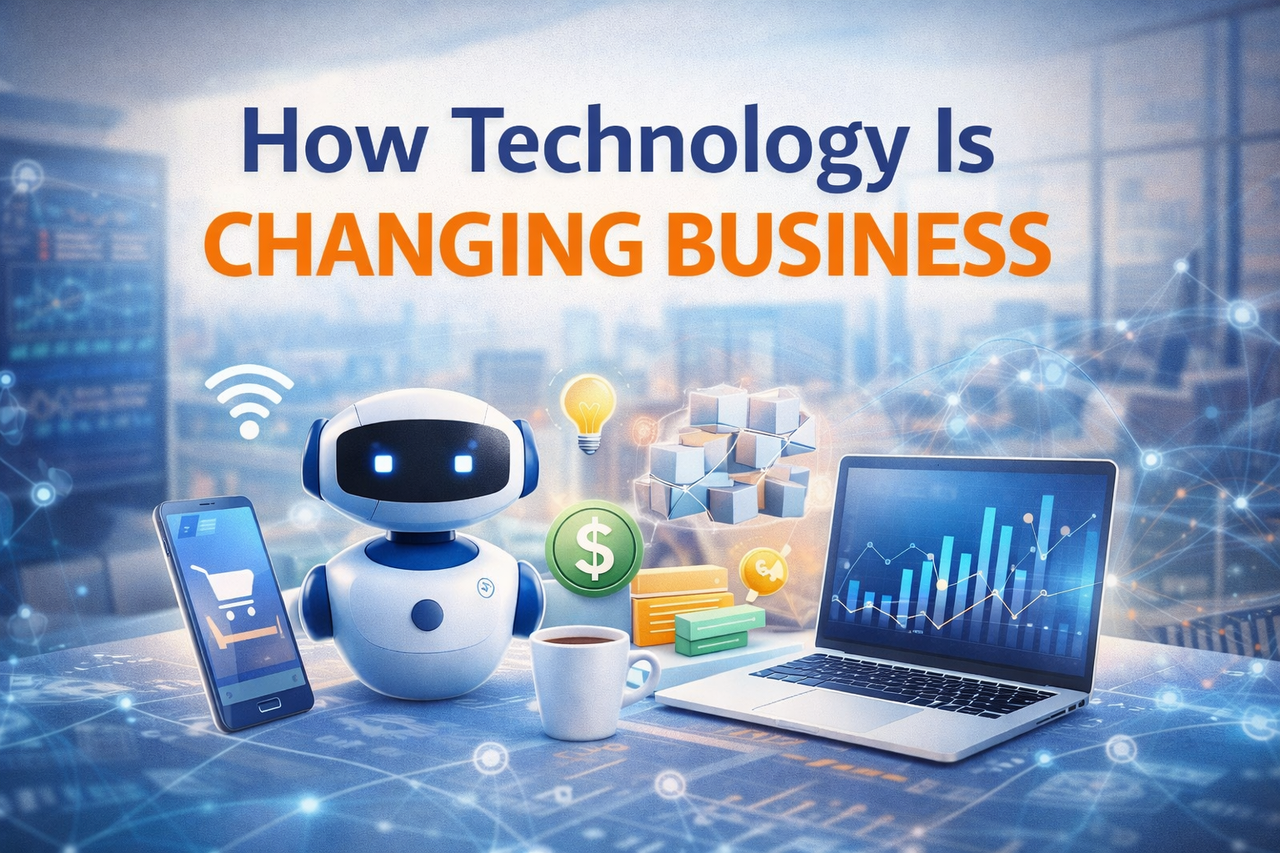
How Technology Is Changing Business
Technology has reshaped the way the world works. Today, businesses no longer run the way they did two decades ago. From how companies communicate with customers to how products are delivered, technology continues to transform every part of business operations. Even small shops use digital tools to compete with big brands — and global companies use advanced software to make faster, smarter decisions.
This article explains how technology is changing business in simple language so anyone can understand the impact, benefits, real examples, common challenges, and future trends. Whether you are a student, business owner, or curious reader, this guide will help you clearly see how innovation drives today’s business world.
Table of Contents
- Meaning / Definition
- Why This Matters
- Main Ways Technology Is Transforming Business
- Real-World Examples
- Challenges Businesses Face
- Future Technology Trends
- Extra Useful Tips
- FAQs
- Conclusion
Meaning / Definition
When we talk about how technology is changing business, we mean how modern tools, software, machines, and digital systems are shaping the way companies operate, connect with customers, and grow. Technology influences everything from communication, marketing, and production to delivery, data analysis, and customer service.
In simple words: Business today is driven more by digital tools and solutions than traditional methods.
Why This Matters
Technology affects business in many important ways:
- Improved efficiency — Tasks that once took hours can now be done in minutes.
- Better communication — Teams collaborate easily across cities or countries.
- More customer reach — Businesses can connect with audiences globally.
- Faster decisions — Data and analytics help leaders make smart choices.
- Cost savings — Automation and digital tools reduce manual labor and errors.
Technology doesn’t replace people — it empowers them to do more with less effort.
Main Ways Technology Is Transforming Business
1. Digital Communication Tools
Gone are the days of letters and long meetings. Today, teams communicate instantly using tools like email, messaging apps, video calls, and collaboration platforms. Remote working and global teams are now possible because technology connects people instantly.
2. Online Marketing and Social Media
Earlier, businesses used billboards, flyers, and TV ads to reach customers. Now, social media, search engines, and online ads help companies target the right people at the right time. A business can grow faster when it reaches customers online.
3. E-commerce and Online Sales
Technology allows businesses to sell products and services online. Shops no longer need a physical presence to sell. Customers browse, choose, and pay online — and products can be delivered to their doorsteps.
4. Automation and AI
Technology automates repetitive tasks. Software can schedule posts, send reminders, manage inventory, and even respond to customers through chatbots. Artificial intelligence (AI) helps businesses understand patterns, forecast trends, and improve efficiency.
5. Data and Analytics
Every business generates data. Technology helps collect and interpret this information. Companies use analytics to understand customer behavior, measure performance, and make smarter plans.
6. Cloud Computing
Cloud services allow businesses to store data online and access it from anywhere. This saves money on physical hardware and makes teamwork easier.
7. Mobile Technology
Smartphones and tablets allow business work on the go. Employees can check updates, respond to customers, and manage tasks remotely.
8. Secure Digital Payments
Customers now prefer digital payments over cash. Technology ensures secure transactions, helping businesses earn customer trust and reduce fraud.
Real-World Examples
- Amazon uses automation, data analysis, and online platforms to sell millions of products worldwide.
- Small home-based brands use Instagram and WhatsApp to reach customers and take orders without a physical store.
- Restaurants use delivery apps to serve more customers and maintain faster service.
- Online tutors teach students across countries using video conferencing tools.
These examples show that both large and small businesses benefit from technology.
Challenges Businesses Face
Technology brings many benefits — but it also comes with challenges.
- Cost of adoption — New tools can be expensive to implement.
- Learning curve — Employees need training to use new systems.
- Data security — Companies must protect customer information carefully.
- Keeping up with change — Technology evolves fast, and businesses must adapt quickly.
Successful businesses plan for these issues and invest in training, security, and innovation.
Future Technology Trends in Business
The future of business will be shaped by even more advanced technology. Some trends to watch include:
AI and Machine Learning
AI will help businesses make smarter decisions faster. Machines can recognize patterns in data that humans might miss.
Internet of Things (IoT)
Devices connected through the internet will share data. This helps in monitoring equipment, tracking inventory, and improving services.
Augmented Reality (AR) and Virtual Reality (VR)
These technologies will change customer experiences — for example, customers can try products virtually before buying.
Blockchain
Blockchain will improve transparency and security in transactions, especially in finance and supply chain sectors.
Technology will continue to evolve, and smart businesses will use these tools to grow faster.
Extra Useful Tips
- Keep learning about new tools and trends.
- Train your team regularly on technology use.
- Focus on customer needs and use tech to solve real problems.
- Secure your digital systems with strong passwords and backups.
- Test new solutions in small steps before full adoption.
FAQs
1. How does technology benefit small businesses?
Technology helps small businesses reach more customers, reduce costs, manage tasks faster, and compete with bigger brands.
2. Is technology expensive for startups?
Not always. Many tools are affordable or free, especially for small teams. The key is to choose tools wisely based on needs.
3. What skills do employees need to use technology?
Basic computer skills, willingness to learn, and adaptability are enough to begin. Many tools also provide simple user guides.
4. Can technology replace human jobs?
Technology automates tasks, but humans are still needed for creativity, strategy, relationships, and decisions.
5. How can a business protect customer data?
Using secure software, backing up data, strong passwords, and regular security checks helps protect information.
Conclusion
Technology is no longer just a support tool — it is the backbone of modern business. From communication and sales to automation and data analysis, technology is shaping every aspect of how businesses operate. Whether you are a large corporation or a small home-based shop, using technology wisely brings efficiency, growth, and a competitive edge.
As technology continues to evolve, businesses must adapt, learn, and innovate. Those who embrace change will not only survive — they will lead.
What's Your Reaction?