





















SEO Mistakes New Bloggers Should Avoid (Beginner-Friendly Guide)
Discover the most common SEO mistakes new bloggers should avoid. Learn simple, beginner-friendly tips to improve rankings, traffic, and blog success with clean SEO practices.
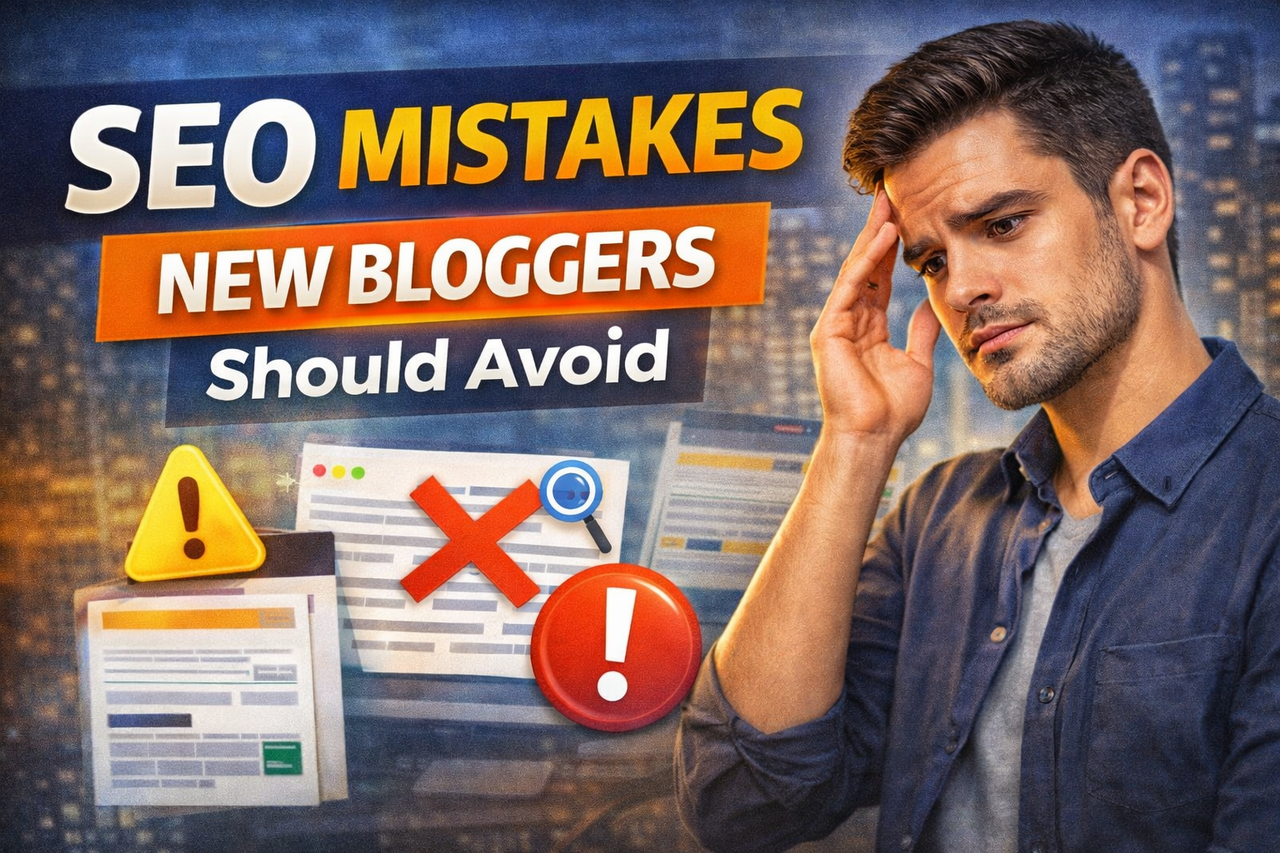
SEO Mistakes New Bloggers Should Avoid
Starting a new blog is exciting. You choose a topic, publish your first posts, and dream of getting visitors from Google. But many new bloggers unknowingly make simple SEO mistakes that stop their blogs from growing. The good news? These mistakes are easy to fix once you understand them.
This complete guide explains the most common SEO mistakes new bloggers should avoid, along with practical tips to build a strong foundation for your blog. Simple language. No confusion. Just real advice you can actually use.
Table of Contents
- Meaning / Definition
- Benefits / Importance
- Main Tips / Strategies / Key Points
- Practical Examples
- Mistakes to Avoid
- Extra Useful Tips
- FAQs
- Conclusion
Meaning / Definition
SEO (Search Engine Optimization) means improving your blog so search engines like Google understand it and can show it to the right people. When SEO is done right, your blog can appear on the first page of search results and get free organic traffic.
But when beginners make SEO mistakes, Google may ignore their content — even if the content is good. That is why learning early is so important.
Benefits / Importance
Avoiding SEO mistakes helps you:
- Rank higher for your target keywords
- Get more readers without paid ads
- Build trust with search engines
- Save time by doing things correctly from the start
- Create long-term blog growth
Good SEO is not about tricks. It’s about helping users — and making sure search engines can easily understand your content.
Main Tips / Strategies / Key Points
1. Not Doing Keyword Research
Many beginners write whatever comes to mind — but they never check what people actually search for. Keyword research helps you discover the exact words your audience uses. When you target those phrases, you increase your chances of ranking.
2. Writing for Search Engines Instead of People
Some bloggers force keywords everywhere. This makes the content sound robotic. Google prefers natural, helpful writing — so always focus on the reader first.
3. Ignoring On-Page SEO Basics
Simple on-page SEO improves clarity. Make sure every post includes:
- A clear title with a keyword
- Headings (H1, H2, H3)
- Short, readable paragraphs
- Internal links
- Meta description
4. Publishing Thin or Low-Value Content
Short posts with little information rarely rank. Focus on depth, clarity, and usefulness.
5. Skipping Internal Linking
Internal links connect one blog post to another. This helps readers discover more content — and helps Google understand your website better.
6. Forgetting About Mobile Users
If your blog isn’t mobile-friendly, you may lose rankings. Most readers browse from smartphones — so your layout must be responsive.
7. Slow Website Speed
A slow website creates a bad user experience. Compress images, remove unnecessary plugins, and choose reliable hosting.
8. Ignoring Backlinks
Backlinks are links from other websites to your blog. They act as “votes of trust.” New bloggers often ignore this — but quality backlinks can greatly boost rankings.
9. Not Updating Old Content
SEO is not “publish and forget.” Updating posts keeps them fresh and relevant.
10. Expecting Overnight SEO Results
SEO takes patience. Most blogs need months — not days. Consistency wins.
Practical Examples
Here are some real-world examples of SEO mistakes new bloggers should avoid:
- A food blogger writes recipes but never includes keywords like “easy pasta recipe.”
- A travel blog uses long paragraphs without headings — readers leave quickly.
- A fitness blogger copies small sections from other websites — rankings drop.
- A tech blog never adds links between posts — Google struggles to crawl the site.
Small fixes in each case can dramatically improve performance.
Mistakes to Avoid
- Copying content from other sites
- Overstuffing keywords
- Writing clickbait titles without value
- Ignoring analytics and not tracking performance
- Not having a clear niche
- Publishing irregularly
Always aim for originality, consistency, and clarity.
Extra Useful Tips
- Use simple, friendly language
- Write for humans first — search engines second
- Learn basic keyword research tools
- Organize content into categories
- Build relationships with other bloggers
Remember — blogging success is a marathon, not a race.
FAQs
1. What is the biggest SEO mistake new bloggers make?
The biggest mistake is publishing content without doing keyword research or understanding what users are searching for.
2. How long does SEO take to work?
Most blogs start seeing steady results in three to six months with consistent effort.
3. Do I need paid tools for SEO?
No. Many free tools are enough when you’re starting out.
4. Is copying content with small changes okay?
No. Duplicate content can harm rankings. Always write original content.
5. Should every blog post target a keyword?
Yes — each post should focus on one main keyword and related phrases to stay clear and organized.
Conclusion
Avoiding SEO mistakes early helps your blog grow faster and stay strong for years. You don’t need to be an expert — you just need to stay consistent, learn step by step, and focus on helping your readers.
SEO is simply about creating useful content — and making it easy for search engines to understand. If you follow the tips in this guide, you’ll be miles ahead of most new bloggers.
What's Your Reaction?