










What Is SEO? Beginner’s Complete Guide
Learn what SEO is, how it works, and how beginners can use SEO to rank websites, get traffic, and grow online step by step.
What Is SEO? Beginner’s Complete Guide
Introduction
Search Engine Optimization, commonly known as SEO, is the foundation of online visibility.
If you want people to find your website on Google, SEO is not optional—it’s essential.
For beginners, SEO may sound technical, confusing, or even intimidating.
But the truth is, SEO is simply about helping search engines understand your content better.
This guide will explain SEO step by step, in simple language, without jargon or confusion.
Table of Contents
-
What Is SEO and Why It Matters
-
How Search Engines Work
-
Types of SEO You Should Know
-
On-Page SEO Basics for Beginners
-
Off-Page SEO and Backlinks
-
Technical SEO Explained Simply
-
Keyword Research for SEO
-
Common SEO Mistakes to Avoid
-
How Long SEO Takes to Show Results
-
Future of SEO for Beginners
What Is SEO and Why It Matters
SEO stands for Search Engine Optimization.
It is the process of improving your website so it ranks higher on search engines like Google.
Why SEO Is Important
-
Most online experiences start with a search engine
-
Higher rankings bring more organic (free) traffic
-
SEO builds long-term trust and authority
-
It reduces dependency on paid ads
Without SEO, even the best content may never be discovered.
How Search Engines Work
Before learning SEO, you must understand how search engines operate.
Crawling
Search engines use bots (called crawlers) to discover new and updated pages.
Indexing
After crawling, pages are stored in Google’s database, known as the index.
Ranking
When someone searches, Google ranks pages based on relevance, quality, and user experience.
SEO helps your pages perform better in all three stages.
Types of SEO You Should Know
SEO is not one single thing. It has multiple parts working together.
On-Page SEO
Focuses on optimizing content and HTML elements on your website.
Off-Page SEO
Involves actions taken outside your website, mainly backlinks.
Technical SEO
Ensures your website is fast, secure, and easy for search engines to crawl.
All three types are equally important for long-term success.
On-Page SEO Basics for Beginners
On-page SEO is where beginners should start.
Content Optimization
Your content should be:
-
Helpful and informative
-
Written for humans, not search engines
-
Structured with headings and short paragraphs
Title Tags and Meta Descriptions
-
Title should include the main keyword
-
Meta description should encourage clicks
-
Both should look natural, not stuffed
Internal Linking
Internal links help:
-
Improve site structure
-
Pass SEO value between pages
-
Keep users engaged longer
Off-Page SEO and Backlinks
Off-page SEO mainly revolves around backlinks.
What Are Backlinks?
Backlinks are links from other websites pointing to your site.
Search engines see them as votes of trust.
Why Backlinks Matter
-
Improve domain authority
-
Help pages rank faster
-
Increase referral traffic
Quality Over Quantity
One high-quality backlink is better than many low-quality links.
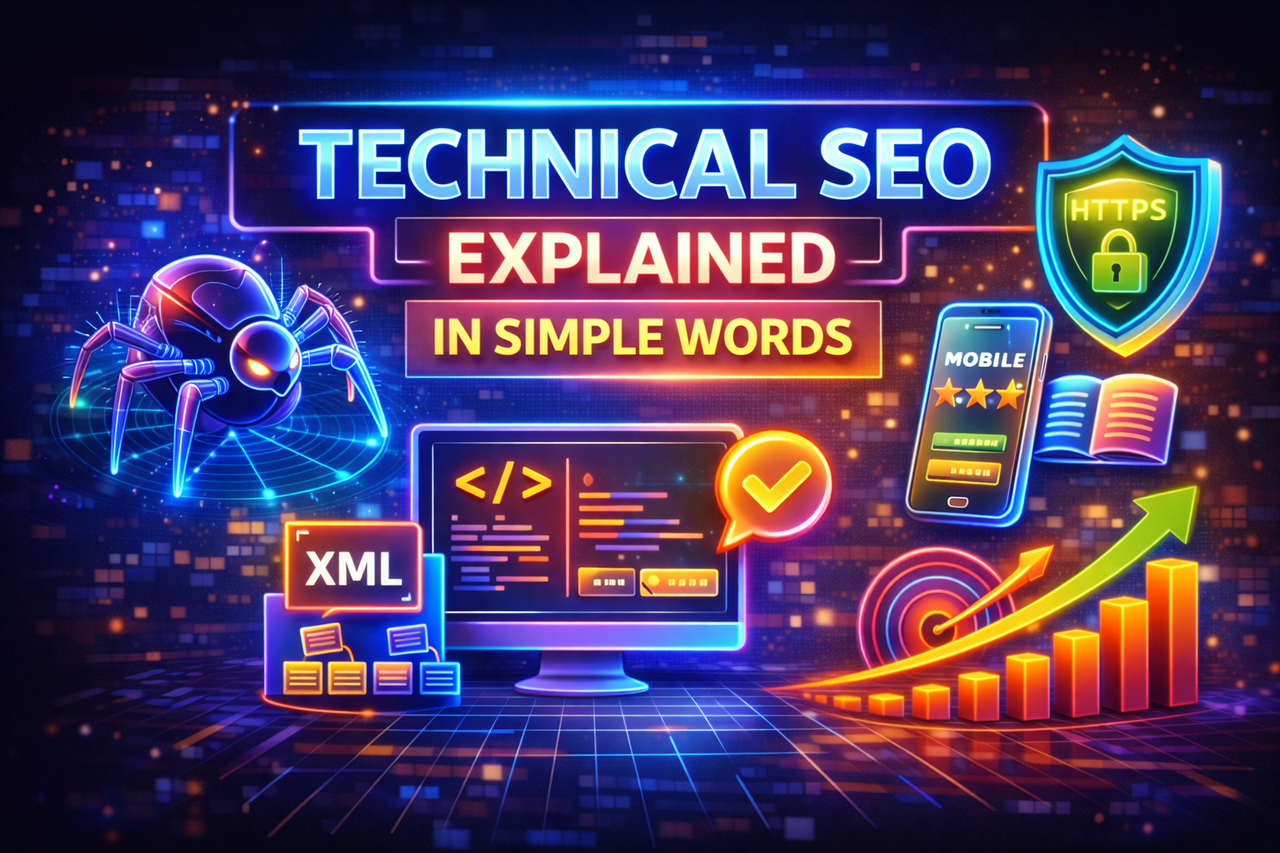
Technical SEO Explained Simply
Technical SEO helps search engines access and understand your site.
Website Speed
Fast websites rank better and provide a better user experience.
Mobile Friendliness
Most users search on mobile.
Your website must work perfectly on all devices.
Secure Website (HTTPS)
HTTPS builds trust for both users and search engines.
Technical SEO may sound complex, but modern tools make it manageable.
Keyword Research for SEO
Keyword research is the backbone of SEO.
What Are Keywords?
Keywords are words or phrases users type into search engines.
How to Choose the Right Keywords
-
Focus on beginner-friendly, long-tail keywords
-
Check search intent, not just volume
-
Choose keywords relevant to your content
Example
Instead of targeting “SEO,” use:
-
“What is SEO for beginners”
-
“SEO guide for new websites”
Common SEO Mistakes to Avoid
Many beginners unknowingly harm their SEO.
Keyword Stuffing
Using keywords unnaturally can lead to penalties.
Ignoring User Experience
If users leave quickly, rankings drop.
Copying Content
Duplicate or copied content does not rank well.
Expecting Instant Results
SEO is a long-term strategy, not overnight magic.
How Long SEO Takes to Show Results
SEO requires patience.
Typical Timeline
-
1–2 months: Indexing and early signals
-
3–6 months: Noticeable traffic growth
-
6–12 months: Strong rankings and authority
Results depend on competition, content quality, and consistency.
Future of SEO for Beginners
SEO is constantly evolving.
Key Trends
-
AI-powered search results
-
User experience becoming more important
-
Helpful, people-first content winning
-
Voice and mobile search growth
Beginners who focus on quality will always stay ahead.
Key Takeaways
-
SEO helps websites rank higher on search engines
-
It includes on-page, off-page, and technical SEO
-
Keyword research is essential for success
-
Quality content beats shortcuts
-
SEO is a long-term investment
FAQs
1. Is SEO free or paid?
SEO itself is free, but it requires time, effort, and learning.
You don’t pay Google to rank organically.
However, tools and professional services may cost money.
2. Can beginners learn SEO without coding?
Yes, absolutely.
Most SEO tasks do not require coding knowledge.
Basic tools and CMS platforms like WordPress make SEO easy.
3. How much traffic can SEO bring?
SEO can bring unlimited organic traffic over time.
Results depend on content quality and competition.
High-ranking pages can drive traffic for years.
4. Is SEO better than paid ads?
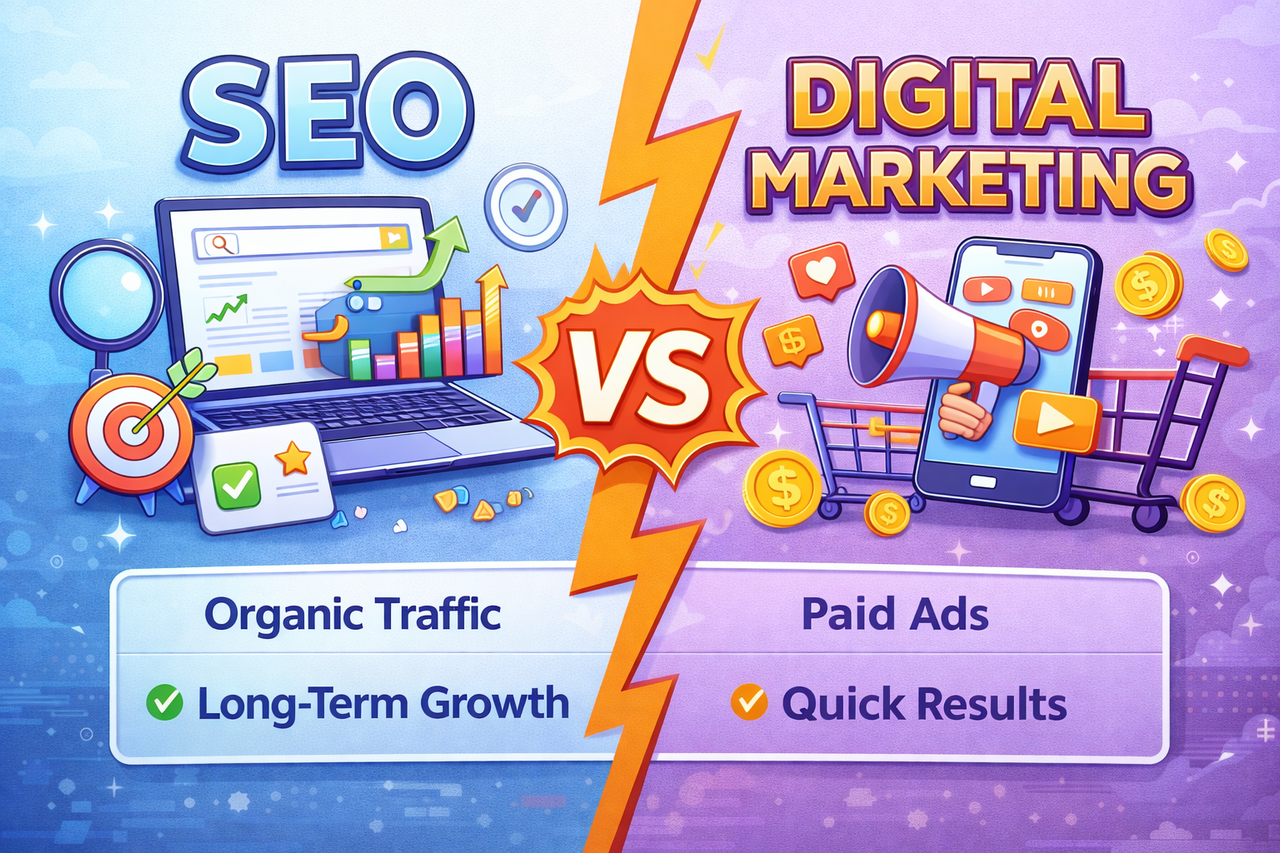
SEO is better for long-term growth.
Paid ads stop bringing traffic once you stop paying.
SEO continues working even when you pause content creation.
5. Do small websites benefit from SEO?
Yes, small websites benefit the most.
SEO helps new and small sites compete with big brands.
Consistent optimization builds authority over time.
Conclusion
SEO is not about tricks or shortcuts—it’s about value.
When you focus on helping users, search engines reward you.
Beginners should start with strong content, basic optimization, and patience.
Over time, SEO becomes one of the most powerful growth tools online.
If you stay consistent and ethical, SEO success is inevitable.
What's Your Reaction?